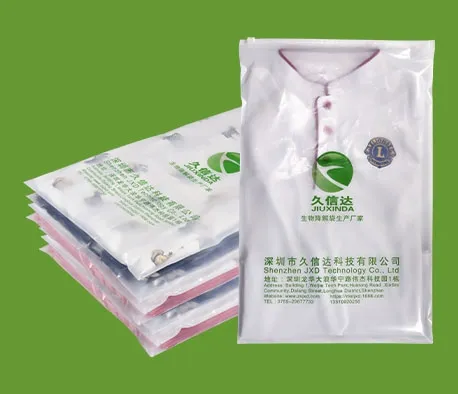
Packaging plays a decisive role in apparel branding, customer unboxing experience, and garment protection during logistics. Unlike general packaging bags, clothing bags require tailored softness, wrinkle resistance, size adaptability, and high-end visual presentation. For apparel buyers, common sourcing troubles include mismatched bag sizes for seasonal garments, printing styles that ruin brand texture, impractical packaging that causes clothing creases, and delayed deliveries affecting new collection launches. To help fashion brands avoid custom failures and unstable supply issues, this article summarizes four core procurement dimensions for custom clothing bags from real apparel purchasing perspectives.
Apparel-Specific Information to Prepare for Accurate Customization
Clothing packaging customization cannot rely on universal standard parameters. Different apparel categories, from lightweight lingerie and summer T-shirts to thick coats and denim wear, require completely different bag specifications. Incomplete and unclear requirement details are the top cause of unsatisfactory custom packaging for fashion brands.
Before placing custom orders, apparel buyers need to prepare targeted, industry-specific information for manufacturers. First, clarify garment types and packaging purposes: distinguish between retail display packaging, e-commerce shipping packaging, and gift packaging to confirm bag thickness, softness, and toughness. Second, provide full size range data of your best-selling clothing lines to customize versatile bag dimensions that fit most styles without excessive empty space or tight squeezing. Third, organize unified brand visual assets, including vector logos, official brand color codes, exclusive font styles, and seasonal slogan texts that align with your brand tone. Fourth, list functional demands such as anti-wrinkle protection, dustproof, moisture-proof, and reusable features. Sorted and precise information ensures the finished clothing bags perfectly match your brand’s product positioning and actual packaging scenarios.
Critical Customization Rules to Protect Garment Quality & Brand Texture
Many apparel brands focus only on packaging appearance while ignoring clothing-specific practical risks. Improper customization leads to obvious problems: hard materials leave permanent creases on delicate fabrics, overly complicated printing looks tacky for minimalist fashion styles, and poor sealing causes dust and moisture damage to high-end garments during transit.
Buyers must follow fashion-oriented customization principles for clothing bags. Prioritize soft, flexible and skin-friendly film materials to protect silk, cotton, linen and knitted fabrics from friction and extrusion marks. Avoid excessive printing, thick coating and exaggerated patterns; high-end apparel packaging always adopts minimalist, clean and advanced design to highlight brand grade. Match bag structural design with garment traits: choose stretchable bags for flexible casual wear and thickened supportive bags for stereoscopic outwear. In addition, control edge sealing flatness and opening smoothness to prevent clothing hooking and tearing. Scientific customization balances aesthetic branding and garment protection, bringing premium unboxing experiences for end customers.
Batch Standardization to Maintain Consistent Brand Image Across Seasons
Apparel brands launch new collections seasonally and require long-term repeated packaging orders. The biggest procurement pain point is inconsistent batch quality, including color deviation, different bag softness, blurred printing and uneven thickness. Slight packaging differences will make offline retail displays scattered and damage the unified high-end brand image accumulated over time.
When selecting clothing bag suppliers, buyers must focus on seasonal batch stability. Reliable manufacturers lock fixed material suppliers, unified film-blowing softness parameters and professional color calibration standards for long-term apparel brand orders. Each batch of finished bags undergoes strict inspection for surface flatness, softness consistency, printing fidelity and overall texture. For brands with seasonal style upgrades, suppliers can retain original production templates while adjusting partial details, ensuring packaging inheritance and brand unity. Stable batch consistency helps fashion brands maintain a neat, professional and high-standard market image throughout spring, summer, autumn and winter collections.
Seasonal Lead Time Planning to Match Apparel Launch Rhythm
The apparel industry has strict seasonal cycles, new product launch timetables and holiday promotion nodes. Unlike daily packaging, clothing bag customization needs to fully cooperate with brand release plans. Many buyers face passive sales delays due to underestimated customization cycles and inflexible factory production schedules, missing peak sales seasons for new arrivals.
Professional apparel procurement requires forward-looking lead time arrangement. Confirm the full cycle of proofing, mass production and delivery in advance, and reserve buffer time for seasonal design fine-tuning. Verify the supplier’s peak-season production capacity to ensure sufficient output for large new collection restocks. For flash sales and holiday promotion demands, confirm flexible urgent-order scheduling mechanisms. Trusted clothing bag manufacturers provide phased delivery plans, supporting pre-stock packaging before new product launches and supplementary batch delivery during hot sales periods. Stable and flexible delivery cycles ensure packaging supply always keeps pace with apparel brand operation rhythms.
Conclusion
Custom clothing bags are core visual and protective carriers for fashion brand operation. By preparing apparel-targeted customization information, following garment-friendly design rules, maintaining seasonal batch consistency, and arranging scientific seasonal lead times, buyers can completely avoid common packaging procurement pitfalls. High-quality custom clothing bags not only protect garments during storage and transportation but also continuously upgrade brand aesthetics and customer satisfaction, becoming invisible marketing assets for long-term apparel brand development.